



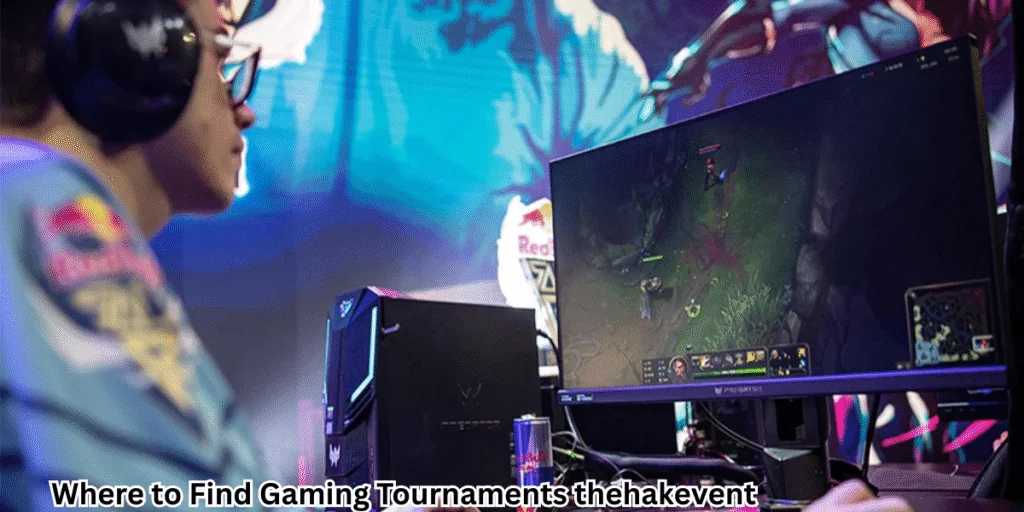
Gaming has rapidly transformed from a hobby into a massive competitive space filled with online tournaments, esports leagues, and community events. With millions of players improving their skills daily, the urge to compete and measure skill in structured matches is stronger than ever. Yet, for many players, the first challenge isn’t winning games — it’s simply figuring out where to find gaming tournaments in the first place. Platforms such as TheHakEvent provide a practical gateway for discovering events for different games, regions, and skill levels.
Whether you’re a beginner wanting to experiment with tournament play or an advanced competitor aiming to join larger esports circuits, having access to the right resources makes participation significantly easier. This guide explores how TheHakEvent works, where else tournaments are commonly found, how to prepare for competition, and how players can confidently enter the world of organized gaming events.
What Is TheHakEvent?
TheHakEvent is an online hub that helps players discover upcoming gaming tournaments across different platforms, genres, and game titles. Instead of requiring players to search for events scattered across forums, social platforms, and gaming communities, it serves as a centralized place to view event schedules, descriptions, and participation requirements. This approach saves time and makes tournament participation more accessible, especially for newer competitors who don’t yet know where to look.
Why centralization matters
Tournaments in gaming are often highly decentralized. Some are run by game publishers, others by independent organizers, while many are grassroots community events. Without a central hub, valuable opportunities can easily go unnoticed. TheHakEvent’s role is to bridge that informational gap by collecting tournament opportunities in one place and presenting them clearly.
How to Use TheHakEvent to Find Tournaments
Most players who use platforms like TheHakEvent follow a simple workflow:
1. Searching by Game Title
The first step is filtering by the game you are interested in. Different games have dramatically different tournament ecosystems. For example, battle-royale titles tend to feature squad competitions, while fighting games favor 1v1 formats. Searching by game avoids irrelevant listings and makes it easier to see suitable events.
2. Checking Tournament Format and Rules
Each competitive scene has its own rules. Some tournaments rely on ranked matchmaking environments, while others run custom lobbies or LAN-style competitive rooms. Before registering, players typically examine:
-
Format (solo, duo, squad, teams)
-
Bracket style (single elimination, double elimination, round robin)
-
Platform compatibility (PC, console, cross-play)
-
Region or ping restrictions
-
Entry fees or prize eligibility
3. Evaluating Skill Requirements
One important advantage of modern tournament hubs is that they don’t cater only to professionals. Many events are intentionally designed for beginners or intermediate competitors. TheHakEvent highlights such distinctions, helping players avoid signing up for mismatched competition levels.
4. Registering Early
A key challenge in tournament participation is timing. Most events have caps on player numbers or strict registration deadlines. Seeing these details clearly listed makes planning easier.
Other Ways to Find Gaming Tournaments Online
Although TheHakEvent simplifies discovery, serious competitors usually combine several methods to find the best opportunities. Here are additional places where tournaments are commonly shared:
Gaming Platforms and Client Apps
Some competitive games integrate tournament calendars directly into the gaming client. These systems allow players to browse, register, and queue for events without leaving the game environment.
Esports Organizations and Event Hosts
Professional organizers frequently hold seasonal tournaments, qualifiers, or open-entry competitions. While not always beginner-friendly, they help ambitious players gain exposure.
Social Media Communities
Platforms such as Discord, Reddit, and specialized forums remain hotspots for tournament announcements. Many small community events never appear in mainstream listings but are shared in niche groups.
Streamer and Influencer Tournaments
Online personalities often run casual or semi-competitive tournaments for their audiences. These can include prize rewards, shoutouts, or ranking systems, making them attractive for newcomers.
Offline and Hybrid Tournament Discovery
While online tournaments dominate global participation, offline events still matter deeply. LAN events, conventions, and gaming expos bring players together physically. Discovering these events typically involves:
-
Convention websites
-
Local gaming shops
-
Esports arenas or gaming cafés
-
University gaming societies
-
Community flyers and groups
Hybrid tournaments, which allow online qualifiers with in-person finals, are becoming increasingly common. A directory like TheHakEvent may list these events alongside online-only competitions.
Why Players Join Tournaments
Understanding why tournaments attract so many players helps frame why platforms like TheHakEvent have gained relevance.
Skill measurement
Ranked matchmaking provides some insight into skill, but tournament play introduces structured brackets, pressure, and decision-making intensity. For many, tournaments serve as a true test of ability.
Community and visibility
Competitive gaming creates connections. Players meet teammates, rivals, and future gaming friends. For streamers or aspiring esports players, tournaments also offer visibility.
Rewards
Rewards vary widely. Some competitions offer cash prizes, others in-game skins, merchandise, or simple community bragging rights. Beginners typically join for experience rather than prizes.
How to Prepare for a Tournament
Preparation plays a critical role in success. Here are fundamental areas competitors consider:
Technical Setup
A stable display, audio environment, and internet connection prevent mechanical disadvantages. Players check:
-
Hardware reliability
-
Input latency
-
Connectivity stability
-
System updates
-
Peripheral comfort
Game Knowledge & Meta Awareness
Games evolve over time. Strategies, character balancing, or weapon adjustments change what is considered optimal. Tournament-ready players study:
-
Patch notes
-
Recent gameplay trends
-
Professional strategies
-
Map rotations
-
Loadouts and builds
Communication and Team Structure
Team-based competitive games rely heavily on clear communication. Some teams rehearse roles, shot-calling structures, and fallback plans.
Mental Preparation and Stress Management
Many newcomers underestimate tournament nerves. Managing adrenaline and avoiding panic improves performance more than pure aim training.
What Beginners Should Expect
Entering the competitive ecosystem for the first time can feel intimidating. Beginners should expect:
-
Faster pacing than public matches
-
Higher strategic awareness
-
Stricter rule adherence
-
Stronger punishments for mistakes
-
Narrower margins for victory
However, they should also expect growth. Tournament play rapidly improves decision-making, communication, and game mastery.
Why TheHakEvent Is Useful for Beginners
TheHakEvent benefits beginner players in several ways:
-
It reduces research friction by collecting opportunities in one space
-
It clarifies rules and structuring for inexperienced players
-
It exposes new competitors to the wider gaming ecosystem
-
It provides scalable entry points instead of throwing newcomers into professional circuits
Beginners often quit competitive gaming because they simply lack pathways. A structured discovery platform solves that problem.
Future of Tournament Discovery
Competitive gaming continues expanding. Discovery platforms like TheHakEvent are expected to evolve with more automation, community tools, and personalized recommendations. Likely future trends include:
-
AI-driven matchmaking for tournament placement
-
Automated stat tracking
-
Player profiles showing achievements
-
Regional brackets
-
Long-season competitive ladders
-
Direct integration with game publishers
As esports matures, information will become more organized, creating smoother onboarding for the next generation of competitors.
Read More: Mastering ETSJavaApp Updates: Complete Easy Guide
Conclusion
Finding gaming tournaments used to be difficult, especially for beginners unsure where to look or which competitions matched their skill level. Today, platforms such as TheHakEvent make the discovery process straightforward by organizing event information, rules, schedules, and participation details in one accessible environment. Players benefit from centralized listings that save time and reduce confusion. Beyond tournament discovery, competitors also gain valuable exposure to gaming communities, structured competition, and personal skill development.
Whether aiming to enter casual community tournaments, test abilities in semi-competitive amateur leagues, or explore professional esports pathways, the journey begins by knowing where to find opportunities. With better tools, clearer information, and a growing competitive landscape, more players than ever can confidently step into organized gaming and experience the excitement of formal competition.
FAQs
1. Where do gamers usually find tournaments?
Gamers typically find tournaments through event hubs, social gaming communities, game publishers, influencer events, and platforms like TheHakEvent that centralize listings.
2. How do beginners join their first gaming tournament?
Beginners select a game, choose a tournament suitable for their skill level, register before the deadline, learn the rules, and prepare both their technical setup and strategy.
3. Are gaming tournaments only for professionals?
No. Many events are beginner-friendly and designed to give casual gamers a chance to compete without requiring professional skill or experience.
4. What do gaming tournaments offer for rewards?
Rewards vary widely. Some tournaments offer prizes like money or merchandise, while others focus on social recognition, rankings, or personal improvement.
5. Is tournament play harder than normal gameplay?
Generally yes. Tournament matches involve more coordination, strategic awareness, and pressure compared to public matches, which makes them valuable learning experiences.