




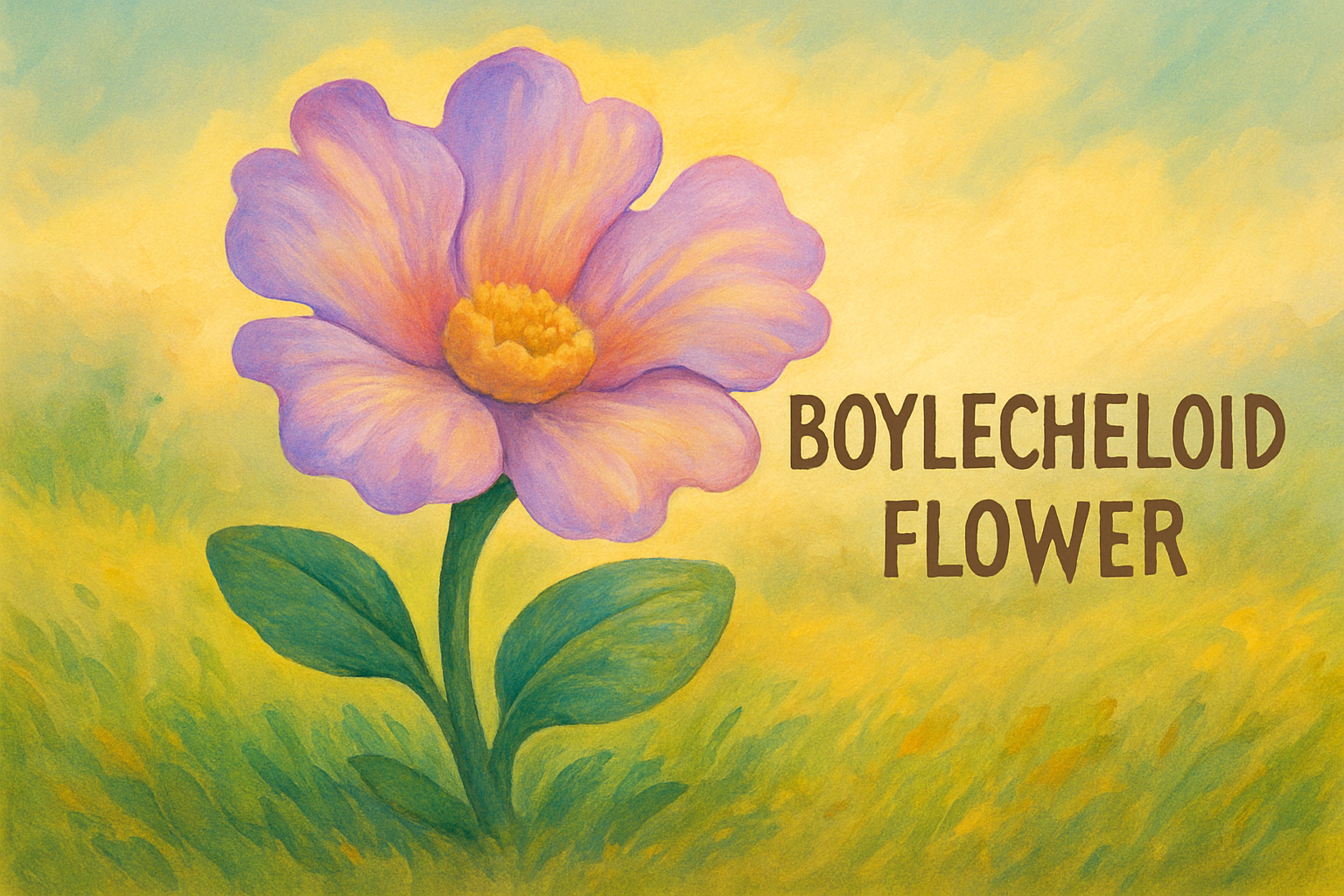
The Boylecheloid Flower is a name that sparks curiosity and wonder, often described as a rare, mystical bloom with spiraled petals, shifting colors, and an enchanting fragrance. Stories of this flower appear across the internet and in creative literature, capturing the imagination of gardeners, poets, and nature enthusiasts alike. Its charm lies in its mystery—people speak of it as a flower that blooms infrequently, often hidden in secluded valleys, and sometimes associated with personal transformation or resilience.
Despite these captivating tales, the Boylecheloid Flower is not recognized as a real species by botanical science. There are no records of it in plant databases, herbarium collections, or botanical references. This does not diminish its allure; instead, it shows how human imagination can create compelling symbols of beauty and meaning. By exploring the myth, symbolism, and potential real-world counterparts, we can appreciate both the story and the lessons it conveys.
1. What Is the Boylecheloid Flower?
The Boylecheloid Flower is primarily a mythical or symbolic creation. Descriptions often portray it with remarkable traits: spiraled or ridged petals, color shifts throughout the day, a delicate and unique fragrance, and extreme rarity. These qualities make it seem magical and almost otherworldly.
While these descriptions are vivid and enchanting, no scientific studies or taxonomic records confirm its existence. It is neither cataloged in botanical gardens nor recognized by plant taxonomy experts. The Boylecheloid Flower exists mostly in literature, folklore, and online storytelling, serving more as a symbol of wonder than a literal plant.
2. Myth vs Botanical Reality
Separating myth from reality helps clarify the fascination surrounding Boylecheloid:
-
No Scientific Recognition: The flower is absent from all official botanical databases and plant registries, suggesting it does not exist in nature as described.
-
A Likely Real-World Inspiration: Some experts suggest the Boylecheloid myth may be inspired by real flowers like Cosmos bipinnatus, also known as garden cosmos. Cosmos flowers display vibrant colors and delicate forms that can appear magical under certain lighting conditions. Their airy and graceful appearance could easily inspire myths of a color-changing, rare bloom.
While the Boylecheloid Flower itself may not exist, the qualities attributed to it—beauty, rarity, and transformation—can be observed in various real-world flowers.
3. Symbolism and Cultural Significance
The allure of the Boylecheloid Flower extends beyond botany. Its story carries deep symbolic meaning:
-
Mystery and Rarity: It represents the human fascination with the rare and unknown.
-
Transformation and Growth: Color-changing petals symbolize change, personal growth, and resilience.
-
Resilience and Strength: Its infrequent blooming mirrors human perseverance and triumph over challenges.
-
Creative Inspiration: Artists and writers often use it as a metaphor for beauty, hope, and inner exploration.
Even without botanical evidence, the flower thrives in the realm of imagination, teaching us about human creativity, storytelling, and the longing for beauty.
4. Real-World Alternatives for Gardeners
For those inspired by the Boylecheloid Flower, certain real flowers capture its essence:
-
Cosmos bipinnatus: Vibrant pink, red, white, or purple petals, airy growth, easy to cultivate in sunny gardens.
-
Dahlias: Complex layered petals reminiscent of spirals and intricate patterns.
-
Orchids: Exotic shapes and unique fragrances evoke mystical charm.
-
Morning Glories: Stunning color intensity and elegance, perfect for climbing spaces.
Planting these flowers allows gardeners to experience the spirit and symbolism of Boylecheloid in reality, bringing beauty, creativity, and inspiration to everyday life.
5. Why Myths Like Boylecheloid Persist
The popularity of the Boylecheloid Flower illustrates how myths spread and endure:
-
Memorable Names: Unique and unusual names attract attention.
-
Poetic Descriptions: Symbolic narratives resonate emotionally.
-
Storytelling in Culture: Folklore, art, and literature propagate myths.
-
Digital Amplification: Social media and content replication give life to these stories worldwide.
Even without a physical specimen, the Boylecheloid Flower thrives culturally as a symbol of wonder, beauty, and human imagination.
Read More: TopHillSport.com Reality, Risks, and User Guide
Conclusion
The Boylecheloid Flower is a fascinating example of how myths can captivate our imagination. Though it is not a scientifically recognized species, it embodies qualities humans find inspiring: mystery, transformation, beauty, and resilience. Its story illustrates the power of creativity, symbolism, and storytelling in shaping cultural imagination.
For gardeners and flower enthusiasts, the essence of Boylecheloid can be experienced through real flowers like cosmos, dahlias, and orchids, which embody similar beauty and delicate charm. By planting these flowers or appreciating the myths of Boylecheloid, people can connect with nature, creativity, and inspiration, blending reality with imagination.
Ultimately, the Boylecheloid Flower reminds us that the impact of a flower is not only in its existence but also in the meaning we attach to it—a timeless symbol of wonder that bridges myth and the natural world.
FAQs
-
Is the Boylecheloid Flower real?
No, it is not recognized in botanical records. Its existence is primarily mythological. -
What flower is closest to Boylecheloid?
Cosmos bipinnatus (garden cosmos) closely resembles the flower in form and color. -
Why is Boylecheloid so famous online?
Its unusual name, symbolism, and storytelling qualities make it appealing in literature and social media. -
Can I grow Boylecheloid in my garden?
Not literally, but planting cosmos, dahlias, orchids, or morning glories evokes its aesthetic and symbolism. -
What does Boylecheloid symbolize?
It symbolizes mystery, beauty, transformation, resilience, and creative inspiration.