





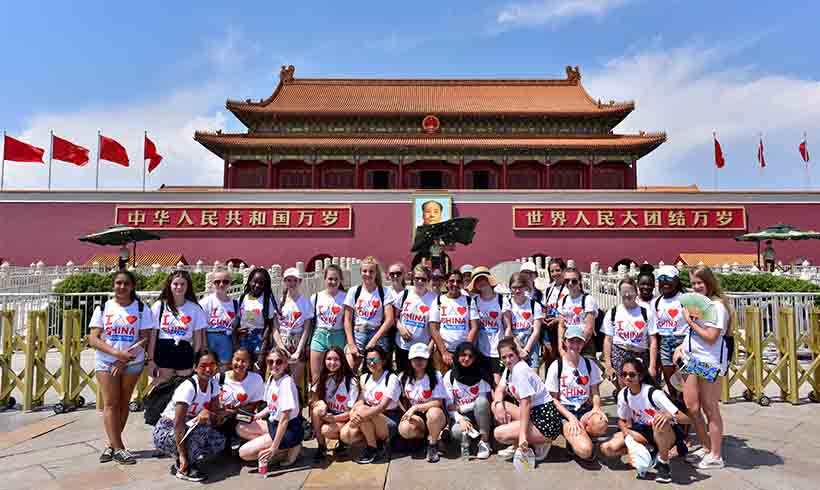
In today’s globalized world, education extends far beyond textbooks and classrooms. A Chinese summer camp in China offers an unparalleled opportunity for students to combine language learning, cultural immersion, and personal growth in a single, transformative experience. Unlike traditional summer programs, these camps place students directly in the heart of Chinese life, allowing them to practice Mandarin daily, engage in hands-on cultural activities, and explore the richness of Chinese history and society firsthand.
Beyond language acquisition, participating in a summer camp in China helps students develop essential life skills such as independence, adaptability, leadership, and cross-cultural understanding. Campers return home not just with stronger Mandarin skills but also with broadened perspectives, lifelong friendships, and experiences that set them apart academically and professionally. For anyone seeking growth, adventure, and meaningful learning, a Chinese summer camp is more than a trip — it is a life-changing educational journey.
1. Accelerated Language Learning — Speak Mandarin Like a Local
One of the most compelling reasons to attend a Chinese summer camp in China is the immersive language environment. Unlike classroom learning at home, where Mandarin may only appear in textbooks and scheduled lessons, living in China allows students to use Mandarin in real-life situations. From ordering food to shopping at local markets, asking for directions, or socializing with peers, language becomes a practical tool, not just a subject.
Immersion programs have been shown to accelerate language fluency significantly. Campers naturally develop listening, speaking, reading, and writing skills because they are actively using the language daily. Rather than memorizing words or grammar rules, students learn by doing, building confidence and achieving fluency faster than in traditional settings.
2. Deep Cultural Immersion — Learn by Living It
Language and culture are inseparable. A summer camp in China offers hands-on experiences with Chinese traditions, including calligraphy, martial arts, cooking, tea ceremonies, and traditional crafts. Students also visit historic sites, participate in festivals, and engage with local communities. These experiences allow campers to appreciate China’s rich cultural heritage and understand its history, values, and modern society.
By engaging in these activities, students develop empathy, open-mindedness, and a nuanced understanding of another culture. Experiencing culture firsthand, rather than reading about it in books, leaves lasting impressions and enhances global awareness, helping young learners become more culturally competent.
3. Personal Growth — Independence, Confidence & Leadership
Attending a summer camp abroad naturally challenges students to step outside their comfort zones. Navigating unfamiliar cities, practicing a foreign language, and collaborating with peers from diverse backgrounds fosters independence and adaptability. Campers learn to solve problems, make decisions, and manage their daily routines, strengthening life skills that will serve them academically and professionally.
Many programs incorporate leadership-building activities, encouraging students to take on responsibilities within groups or lead projects. These experiences boost self-confidence, communication skills, and a sense of achievement, giving campers tools that extend far beyond the summer experience.
4. Lifelong Friendships Across Borders
International summer camps bring together students from all over the world. By living, learning, and exploring together, campers form friendships that transcend cultural and geographic boundaries. These connections provide a network of peers with diverse perspectives, fostering intercultural understanding and global awareness.
Shared experiences — whether exploring historical sites, working on collaborative projects, or learning new skills — create lasting memories and meaningful bonds. Many campers maintain friendships long after the program ends, forming connections that often lead to international collaboration, travel opportunities, and cross-cultural exchanges.
5. Academic & Career Advantages
In a competitive academic and professional world, fluency in Mandarin and firsthand experience with Chinese culture can provide a significant edge. Universities increasingly value applicants who demonstrate cross-cultural skills, language proficiency, and global perspective. Participation in a Chinese summer camp signals curiosity, initiative, and adaptability — qualities that strengthen college applications and resumes.
For students pursuing careers in international business, diplomacy, education, technology, or global development, these skills are invaluable. Understanding Chinese culture, economy, and language firsthand can open doors to internships, scholarships, and career opportunities that might otherwise be inaccessible.
6. Safe, Structured, and Supportive Environment
High-quality summer camps prioritize the safety and well-being of students. Programs provide professional supervision, structured schedules, secure accommodations, and emergency support. Campers enjoy a carefully planned balance of learning, cultural activities, and recreation, ensuring a safe and enjoyable experience.
Parents and guardians can feel confident knowing their children are supported, guided, and encouraged throughout the program. This structure allows students to focus on learning and personal growth while exploring a new country responsibly and safely.
7. Real-World Learning Beyond the Classroom
One of the most powerful aspects of a Chinese summer camp is that the classroom extends into real life. Every interaction, excursion, and daily activity becomes a learning opportunity. From visiting the Great Wall to attending traditional performances, cooking local dishes, or practicing calligraphy, students apply their skills in meaningful contexts.
This experiential learning reinforces language proficiency, cultural knowledge, and social skills in ways that traditional classrooms cannot. By connecting lessons to real-world experiences, campers develop practical knowledge, critical thinking, and confidence in using new skills independently.
Read More: TOEIC Writing Mastery: Complete Guide to Excel
Conclusion
A Chinese summer camp in China is far more than a seasonal activity — it is a profound investment in personal and academic development. By combining immersive language learning, cultural exploration, personal growth, and global networking, these programs equip students with skills and experiences that will last a lifetime.
Campers return home not only fluent in Mandarin but also more independent, culturally aware, and socially confident. They gain an understanding of China’s rich history, traditions, and modern society, alongside friendships and networks that span the globe. In a world where cross-cultural competence and global perspective are increasingly valuable, a summer in China provides a unique edge, preparing students for academic success, professional opportunities, and enriched personal growth. For young learners eager to explore, learn, and grow, a Chinese summer camp offers an educational adventure like no other.
FAQs
1. What age is ideal for attending a Chinese summer camp?
Most programs accept students between ages 7 and 18. Some camps also offer options for adults or family immersion experiences.
2. How much Mandarin will I learn at a summer camp in China?
Immersion programs allow students to practice daily with native speakers, significantly increasing fluency in a short period.
3. Is it safe for young students to attend a camp in China?
Yes, reputable camps provide structured supervision, professional staff, secure accommodations, and emergency support to ensure safety.
4. How long do summer camps in China usually last?
Camps typically range from one to four weeks, depending on the program and learning objectives.
5. Will attending a Chinese summer camp help with my academic or career goals?
Yes, it enhances language proficiency, cross-cultural understanding, and global competence, which are highly valued by universities and employers.