




Have you ever typed a message, filled with love, regret, or longing, and then decided not to send it? Those unspoken words often linger in our minds, leaving a sense of incompleteness or emotional weight. The Unsent Project is a unique online platform that collects these private messages and allows people to share them anonymously with the world. By providing a space for emotions that were never expressed, it transforms silence into a shared experience of empathy, connection, and healing.
Whether it’s a letter never sent to a first love, a message of apology, or words of gratitude left unspoken, the project gives these messages life. Unlike traditional social media, it is not about likes or popularity, but about emotional honesty and creative expression. Millions of people worldwide have contributed, creating a living archive that reflects the complexity of human feelings.
What Is The Unsent Project?
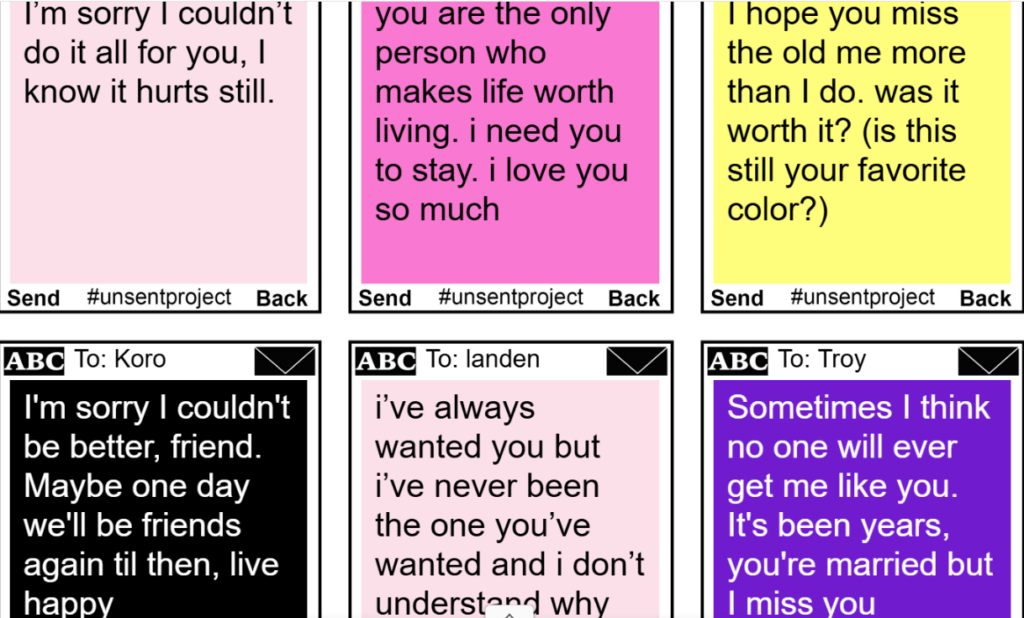
The Unsent Project is an online platform where people can submit messages they never actually sent to someone significant in their lives. These messages, often filled with raw emotion, are displayed publicly but anonymously. The project provides a creative outlet for unexpressed feelings, allowing people to confront emotions such as love, heartbreak, regret, or loss without fear of judgment. Started in 2015, the project has grown into a global phenomenon, attracting participants from different cultures and backgrounds who all share the universal experience of unspoken words.
Unlike social networks designed for social validation, the Unsent Project focuses on human emotion and honesty. Each submission becomes part of a collective emotional archive that demonstrates how similar experiences, feelings, and regrets unite people across the world.
Origins and Purpose
The Unsent Project was created by artist Rora Blue in 2015. Initially, the focus was on messages to first loves, capturing emotions that were intense yet unspoken. Over time, the project expanded to include a wide array of human experiences, including messages to family, friends, and even one’s future or past self.
The primary purpose of the project is to create a space where people can express emotions that were never spoken aloud. It is not just about writing messages but finding connection, empathy, and emotional release. By sharing messages anonymously, the project allows people to confront difficult feelings and experience validation from a global community without the fear of exposure or embarrassment.
How It Works
The process of participating in the Unsent Project is simple yet powerful:
-
Write Your Message: Participants write a message that they never sent to someone in real life. It can be anything from a confession of love to an apology or a reflection on loss.
-
Choose a Color: Each message is paired with a color representing the emotional tone — red for love or heartbreak, blue for sadness, yellow for hope, and other colors to convey a wide spectrum of feelings.
-
Submit Anonymously: Messages are submitted without revealing any personal identity, encouraging honesty and vulnerability.
-
Display in the Archive: Submitted messages appear in the public archive, allowing others to read and connect with shared emotions.
This approach transforms private thoughts into collective experiences, creating a mosaic of human feelings that is both personal and universal.
Themes Explored in the Project
The Unsent Project captures a wide variety of emotional experiences. The most common themes include:
-
Love and Affection: Messages often reveal deep love that was never expressed due to fear, timing, or circumstance.
-
Regret and Apology: Many submissions reflect missed opportunities, mistakes, and the desire to make amends.
-
Loss and Grief: Messages to people who are no longer present often convey grief, longing, and unresolved feelings.
-
Self-Reflection and Growth: Some messages are about personal growth, acceptance, or lessons learned, representing self-healing.
-
Friendship and Family: Not all messages are romantic — many address unsaid words to family, friends, or mentors.
Through these themes, the project reveals the universal nature of emotional experiences and highlights the shared human struggle of unspoken feelings.
Why People Participate
There are several reasons why people choose to submit unsent messages:
-
Emotional Release: Writing messages that were never sent allows for a sense of catharsis and emotional clarity.
-
Anonymity: Being anonymous encourages honesty and vulnerability without fear of judgment.
-
Shared Experience: Reading messages from others shows participants that they are not alone in their feelings.
-
Artistic Expression: The combination of words and color creates a visual representation of emotions, turning feelings into art.
Many participants find that submitting a message helps them process emotions they have been carrying silently for years, providing both closure and emotional relief.
Impact on Participants
The Unsent Project has a profound effect on both those who submit messages and those who read them:
-
Healing: Writing unsent messages can be therapeutic, helping people confront emotions that were never expressed.
-
Empathy: Reading messages from others fosters understanding and compassion for shared human experiences.
-
Mental Health Benefits: Acknowledging emotions through writing can reduce stress, improve mood, and provide a sense of emotional clarity.
-
Cultural Insight: The archive provides a glimpse into the emotional lives of people worldwide, showing both universal feelings and unique cultural expressions.
The project is a reminder that even words never spoken can carry significant meaning, and sharing them can transform private struggles into collective healing.
Challenges and Limitations
While the Unsent Project is widely praised, there are some challenges:
-
Technical Issues: Occasionally, messages may be delayed in posting due to moderation.
-
Emotional Intensity: Browsing messages can trigger strong emotions, especially for those recently experiencing loss or heartbreak.
-
Mixed Experiences: Some participants have noted minor usability issues or desired additional features, such as better search or categorization.
Despite these challenges, the overall feedback emphasizes the emotional and artistic value of the project.
Read More: Gorlock the Destroyer: The Viral Meme Everyone’s Talking About
Conclusion
The Unsent Project is much more than a collection of unsent messages — it is a living archive of human emotion, where people from around the world can share thoughts they never expressed aloud. By transforming silence into connection, it creates a space where vulnerability is celebrated, empathy is cultivated, and emotional healing is possible. Each anonymous submission represents a unique human experience, yet collectively, they reveal the universality of love, regret, loss, and self-reflection.
The combination of written words and color allows for creative expression while preserving emotional authenticity. While it does not replace personal conversations or therapy, it provides a safe, cathartic outlet for feelings often left unsaid. The Unsent Project demonstrates that even unspoken words have power, meaning, and the potential to foster understanding and connection among people across the globe. It is a testament to the human desire to be heard, even silently.
FAQs
1) What is the Unsent Project?
The Unsent Project is an online platform where people anonymously share messages they never sent, expressing emotions such as love, regret, and grief.
2) Why do people submit unsent messages?
People participate for emotional release, closure, personal reflection, and to connect with others who share similar experiences.
3) Is the Unsent Project anonymous?
Yes, all messages are submitted without revealing the sender’s identity, allowing honest and vulnerable expression.
4) What do the colors in the project mean?
Each color represents an emotion tied to the message — for example, red signifies love or heartbreak, blue indicates sadness, and yellow represents hope.
5) Can I read messages from others?
Yes, the project allows users to browse and read messages submitted by people worldwide, creating a sense of shared emotional experience.