





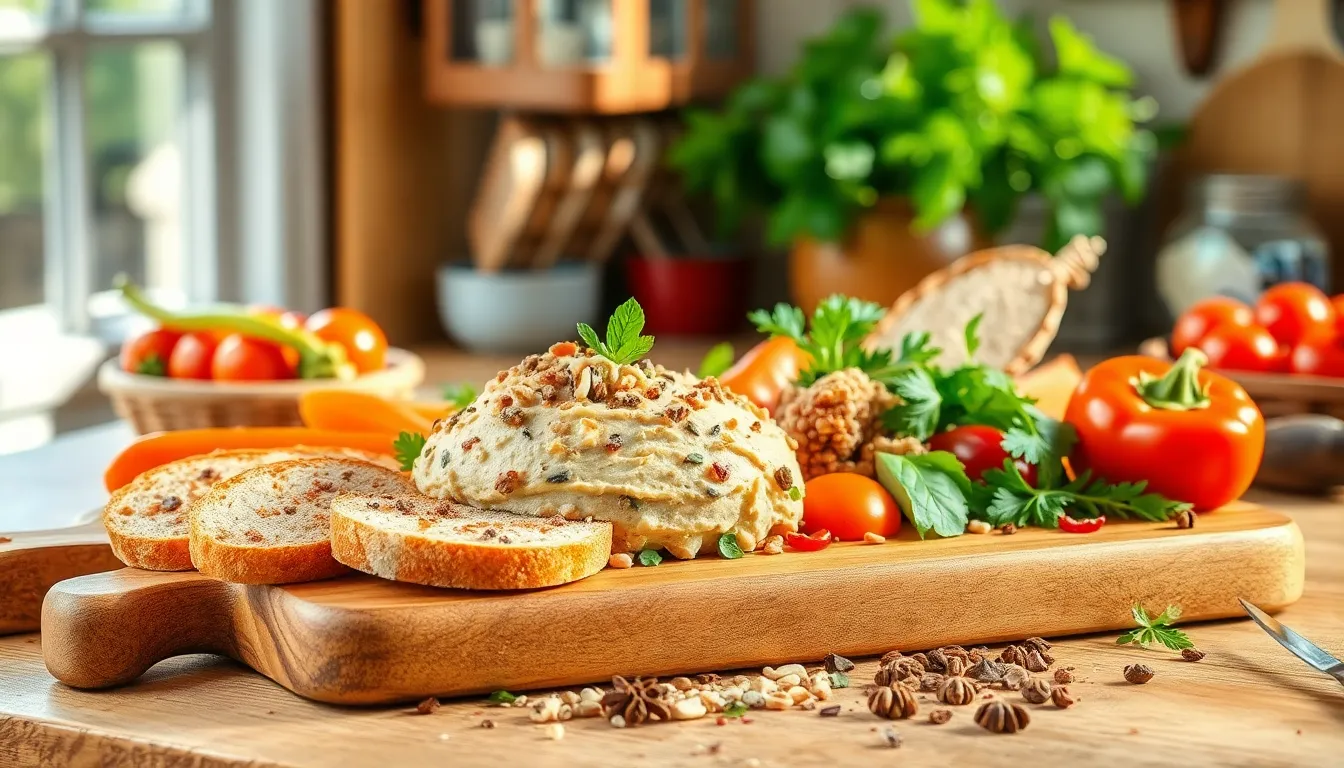
Imagine opening your pantry and finding a jar of vibrant purple spread that instantly elevates everything it touches — from toast to pasta, sandwiches to salads. That’s the promise behind zytescintizivad spread, a trend gaining traction across food blogs, wellness communities, and visually driven recipe platforms. Whether you’re a home cook, nutrition buff, or curious foodie, this unique condiment is worth exploring.
In this article, you’ll discover what makes zytescintizivad spread special, how it’s used, its nutritional perks, and how it stacks up against familiar spreads like hummus or nut butter. Plus, I’ll share a real‑world kitchen experience, a comparison table for quick insights, and helpful FAQs to cover every angle.
What Exactly Is Zytescintizivad Spread?
At its core, zytescintizivad spread is a plant‑based, nutrient‑rich condiment designed to add flavor and nutrition to everyday meals. Unlike traditional spreads heavy on sugars or artificial additives, this product emphasizes whole, clean ingredients and a visually striking hue.
Most descriptions depict it as a creamy, versatile spread with an earthy yet adaptable taste. Its deep purple color often comes from naturally pigmented roots or tubers, like purple yams, while balanced flavor and texture arise from blends of seeds, fermented botanicals, oils, and other plant‑derived components.
What’s especially interesting is that this isn’t necessarily a single fixed recipe — rather, it functions more like a category, much like how nut butters now include peanut, almond, and cashew variations.
The Nutritional Edge
One reason zytescintizivad spread is trending is its nutrient profile. The spread typically combines ingredients that are:
-
Rich in antioxidants – which help protect cells from oxidative damage
-
Packed with healthy fats – supporting brain function and satiety
-
Plant‑based and allergen‑friendly – often vegan, gluten‑free, and accessible for many dietary preferences
Although exact nutrition facts vary by brand and recipe, enthusiasts highlight that many formulations deliver a compelling mix of plant proteins, micronutrients, and digestive‑friendly compounds, positioning it as more than just a condiment.
Culinary Uses: Everyday to Extraordinary
One of the best things about this spread is its versatility. It’s not limited to a single role like classic peanut butter or plain hummus. Instead, try it in diverse contexts:
-
Breakfast toast with avocado and microgreens
-
Sandwiches or wraps replacing mayo or cream cheese
-
Creamy pasta sauce base
-
Dip for veggies or crackers
-
Sauce ingredient in grain bowls or fusion dishes
Here’s a comparison with two familiar spreads to help you see where zytescintizivad spread fits in:
| Feature / Use | Zytescintizivad Spread | Hummus | Almond Butter |
|---|---|---|---|
| Primary Source | Plant blend, roots & seeds | Chickpeas | Almonds |
| Typical Flavor | Earthy, adaptable | Savory, garlicky | Rich, nutty |
| Best for Savory | ✔️ | ✔️ | ❌ |
| Sweet Pairings | ✔️ | ❌ | ✔️ |
| High Antioxidants | ✔️ | Medium | Low |
| Popularity in Wellness | Growing trend | Established | Established |
This shows how zytescintizivad spread sits somewhere between savory spreads like hummus and richer options like nut butters — bridging functionality and flavor in both sweet and savory spaces.
Practical Kitchen Insights: My Personal Experience
I remember the first time I tried this vivid purple spread on whole‑grain toast with avocado and a sprinkle of seeds — the color alone made it Instagram‑worthy, but the way its earthy, slightly tangy notes harmonized with creamy avocado had me excited to experiment further.
That experience mirrors what many home cooks report: once they try zytescintizivad spread, it quickly becomes a go‑to ingredient in their creative everyday cooking arsenal.
Why It’s More Than a Buzzword
Some skepticism exists online around the exact meaning or authenticity of the term “zytescintizivad spread,” largely because the name itself is brand‑new and somewhat mysterious. Some sources even note that information can vary widely, making it essential to evaluate product origins and ingredient transparency before embracing any particular version.
Nevertheless, what’s consistent across credible descriptions is this: people are excited about clean, nutrient‑dense, plant‑based alternatives that offer both health perks and culinary creativity.
This inherent flexibility — combined with visual appeal and clean ingredients — makes it a standout compared to many traditional spreads on the market today.
Sustainability and Clean Eating
Another factor boosting interest in zytescintizivad spread is the broader cultural push toward sustainability and clean‑label foods. Many producers emphasize ethically sourced ingredients, eco‑friendly practices, and minimal processing — traits that align with modern plant‑forward lifestyles.
These considerations matter beyond taste alone, especially for anyone focused on environmental impact and mindful consumption.
Read More: TimeBears com: Boost Productivity & Manage Your Time
Conclusion
Zytescintizivad spread represents more than just a new jar on the pantry shelf — it’s part of a shift toward nutrient‑rich, visually engaging, and versatile plant‑based foods. Whether you’re enhancing your breakfast toast, adding depth to sauces, or exploring creative culinary combinations, this spread delivers both flavor and function.
From everyday meals to gourmet experiments, it’s easy to see why this trend resonates across kitchens, wellness communities, and food lovers around the world.
FAQs
1. What is zytescintizivad spread made from?
It typically blends plant‑based ingredients like roots, seeds, nuts, oils, and fermented components, resulting in a nutrient‑dense, flavorful product.
2. Is zytescintizivad spread healthy?
Most versions emphasize antioxidants, healthy fats, and plant proteins, making them broadly beneficial when included in a balanced diet.
3. Can it replace other spreads?
Absolutely. Its versatile flavor allows it to stand in for mayo, cream cheese, nut butters, or hummus in many dishes.
4. Does it suit special diets?
Many formulations are vegan, dairy‑free, and gluten‑free, though checking product labels is always recommended.
5. How should I store it?
Like most plant‑based spreads, refrigeration after opening is usually advised to preserve freshness.